
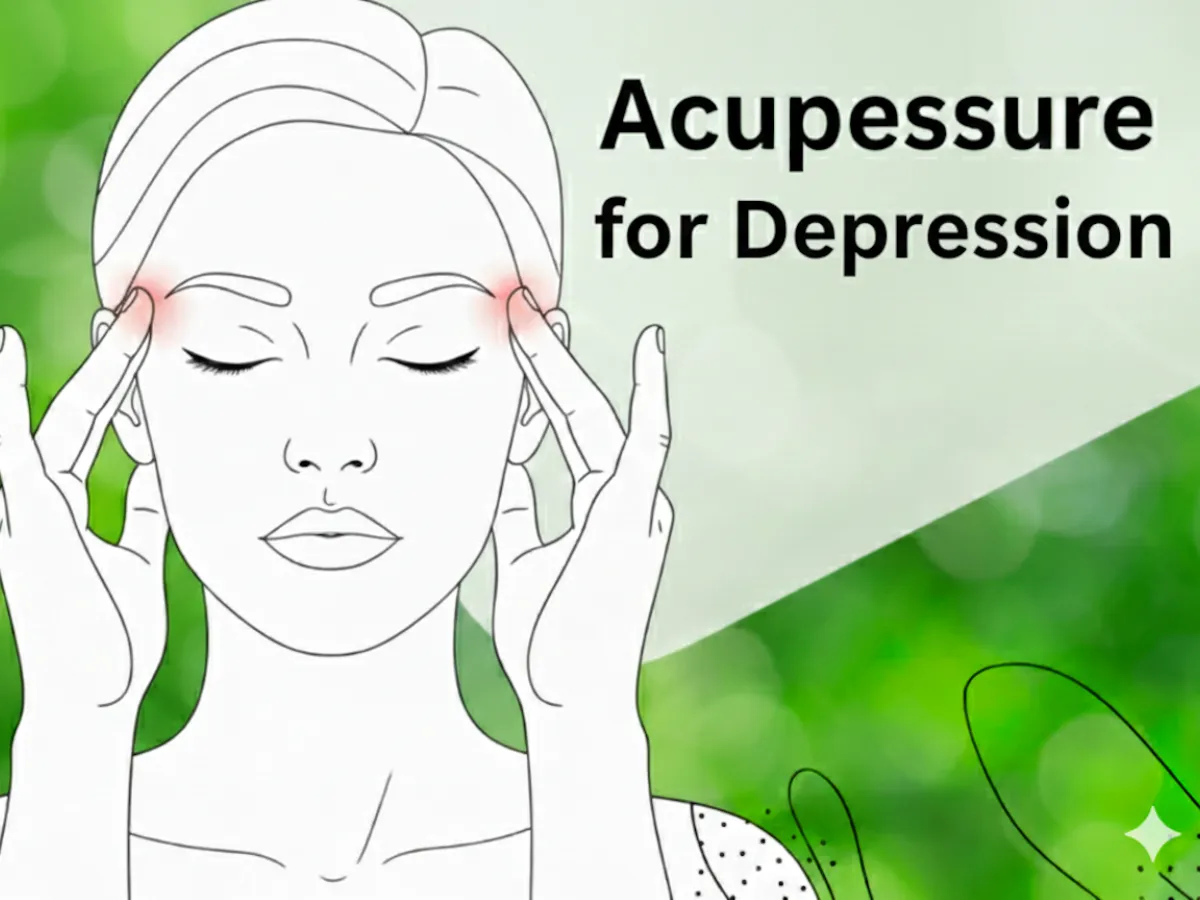
What depression is
MedlinePlus describes depression as more than a feeling of being sad or irritable for a few days: it is a serious mood disorder that affects how you think, feel and live day to day. To be diagnosed, symptoms must occur most of the day, nearly every day, for at least two weeks, and one of them must be a depressed mood or a loss of interest in most activities.
Symptoms MedlinePlus lists include:
- agitation, restlessness, irritability or anger;
- becoming withdrawn or isolated;
- fatigue and lack of energy;
- feeling hopeless, helpless, worthless or guilty;
- loss of interest or pleasure in things you used to enjoy;
- a sudden change in appetite, often with weight gain or loss;
- trouble concentrating, and trouble sleeping or sleeping too much;
- thoughts of death or suicide.
Depression often runs in families. Other factors include alcohol or drug use, conditions such as an underactive thyroid, cancer or long-term pain, sleep problems, stressful life events, social isolation, and some medicines, such as steroids or beta-blockers. Sometimes there is no clear cause.
The Low Mood and Depression page is the reference; this post explains the routine and the evidence behind it. Related pages: Anxiety, Insomnia and Fatigue.
Get help first
Thoughts of suicide: if you or someone you know is thinking about suicide, get help right away: call your local emergency number or go to the emergency room. Don't delay. In the United States, you can also call or text 988, the Suicide & Crisis Lifeline, at any hour. If someone has attempted suicide, call your local emergency number right away and don't leave them alone, even after you have called for help.
Contact a provider if:
- you hear voices that are not there;
- you cry often without cause;
- depression has affected your work, school or family life for longer than 2 weeks;
- you have three or more symptoms of depression;
- you think one of your medicines may be making you feel depressed. Don't change or stop any medicine without talking to your provider;
- you think your child or teen may be depressed;
- you think you should cut back on alcohol, or someone close to you has asked you to.
Depression may need long-term treatment, and most treatments are medicines, talk therapy or both. Medicines can take time to work; don't stop them without talking to your provider first. MedlinePlus stresses getting help at the earliest sign of a problem. See also when not to self-treat.
What research says
The Cochrane review Acupuncture for depression (Smith and colleagues, 2018) looked at 64 trials with 7,104 people. It covered needle, electro- and laser acupuncture; it included no acupressure trials, so its results don't carry over to pressing points by hand.
- Against sham acupuncture: a small reduction in depression scores, 1.69 points on the Hamilton scale, low-quality evidence.
- Against no treatment or a waiting list: a moderate reduction by the end of treatment, low-quality evidence.
- Against medicine, or added to medicine: uncertain, because the evidence is of very low quality.
- Against talk therapy: unclear.
Most trials were at high risk of bias, few followed people up after treatment ended, and most did not report side effects well. The authors conclude that high-quality trials are urgently needed. So the points below are tradition, labelled as such: a calm daily practice to use alongside care, not in place of it.
The points
Traditional use: in TCM, points such as HT-7, SP-6 and LR-3 are traditionally used for low mood. Each point's page shows where to find it and when to skip it.
- Main points: HT-7 Spirit Gate (Shén mén) at the wrist crease, SP-6 Three Yin Intersection (Sān yīn jiāo) on the inner lower leg, and LR-3 Great Rushing (Tài chōng) on the top of the foot.
- Optional: GV-20 Hundred Meetings (Bǎi huì) on the top of the head, PC-6 Inner Pass (Nèi guān) on the inner forearm, and ST-36 Leg Three Miles (Zú sān lǐ) below the knee.
How to press
The Mood routine takes 15 to 20 minutes. The idea behind it: low mood drains energy and makes it hard to start things, so the routine is meant to be a fixed, small part of the day rather than something you decide on each time. Do it at the same time each day, for example in the morning. It starts by moving, because regular exercise is one of the habits MedlinePlus advises, then slows the breath, and only then turns to the points, which are pressed gently and sitting down.
- Begin with 5 minutes of gentle movement: stretching, walking in place or light yoga.
- Sit comfortably and breathe slowly: in for 4 counts, hold for 2, out for 6, ten times.
- Press HT-7 lightly and steadily for 2 minutes on each wrist.
- Press SP-6 for 2 minutes on each leg, into the soft tissue beside the shin bone rather than on the bone.
- Press LR-3 for 1 to 2 minutes on each foot, beside the pulse rather than hard on it.
- Optional: add GV-20 with light pressure for 1 to 2 minutes.
- Optional: add PC-6 for 1 minute on each arm.
- Optional: add ST-36 for 1 to 2 minutes on each leg.
If you are new to it, hold each point for 15 to 30 seconds and work up to the times above. Pressure should never be painful. On a day you can't manage the whole routine, the movement and the breathing on their own are a fine place to stop.
Pregnancy: SP-6 is not pressed during pregnancy. Ask a trained professional instead.
Skip or ease off: HT-7 can stir up strong feelings or memories, its page notes, so keep it gentle, stop if it upsets you, and go especially lightly if you are very low. Don't use HT-7 or GV-20 during an acute psychotic or psychiatric episode; hearing voices that are not there is a reason to contact a provider, not to press points. GV-20 only lightly: stop if you feel dizzy, and skip it after a head injury or with severe high blood pressure. SP-6 and ST-36 after leg surgery, and ST-36 with an injury or infection of the lower leg. LR-3 after foot surgery or if you have very low blood pressure. PC-6 after a wrist injury or surgery, and ease off if your fingers tingle. Don't press on broken, irritated or blistered skin, bruises or new scars. If you have a bleeding or clotting disorder or low platelets, press more lightly and for less time, or ask your doctor first.
Habits that help
MedlinePlus lists these steps for managing depression at home:
- get enough sleep, and keep a consistent sleep schedule;
- eat healthy foods;
- exercise more often, and do activities that make you happy;
- take medicines the right way, and ask your provider how to manage side effects;
- learn the early signs that your depression is getting worse, and have a plan for when it does;
- don't use alcohol or illegal drugs: they can make depression worse and can lead to thoughts of suicide;
- talk about how you feel with someone you trust, spend time with caring people, and volunteer or join group activities.
If your low mood comes and goes with the seasons, usually starting in late fall or winter, tell your provider. It may be seasonal affective disorder, and one option for it is light therapy, which a provider prescribes and explains how to use.