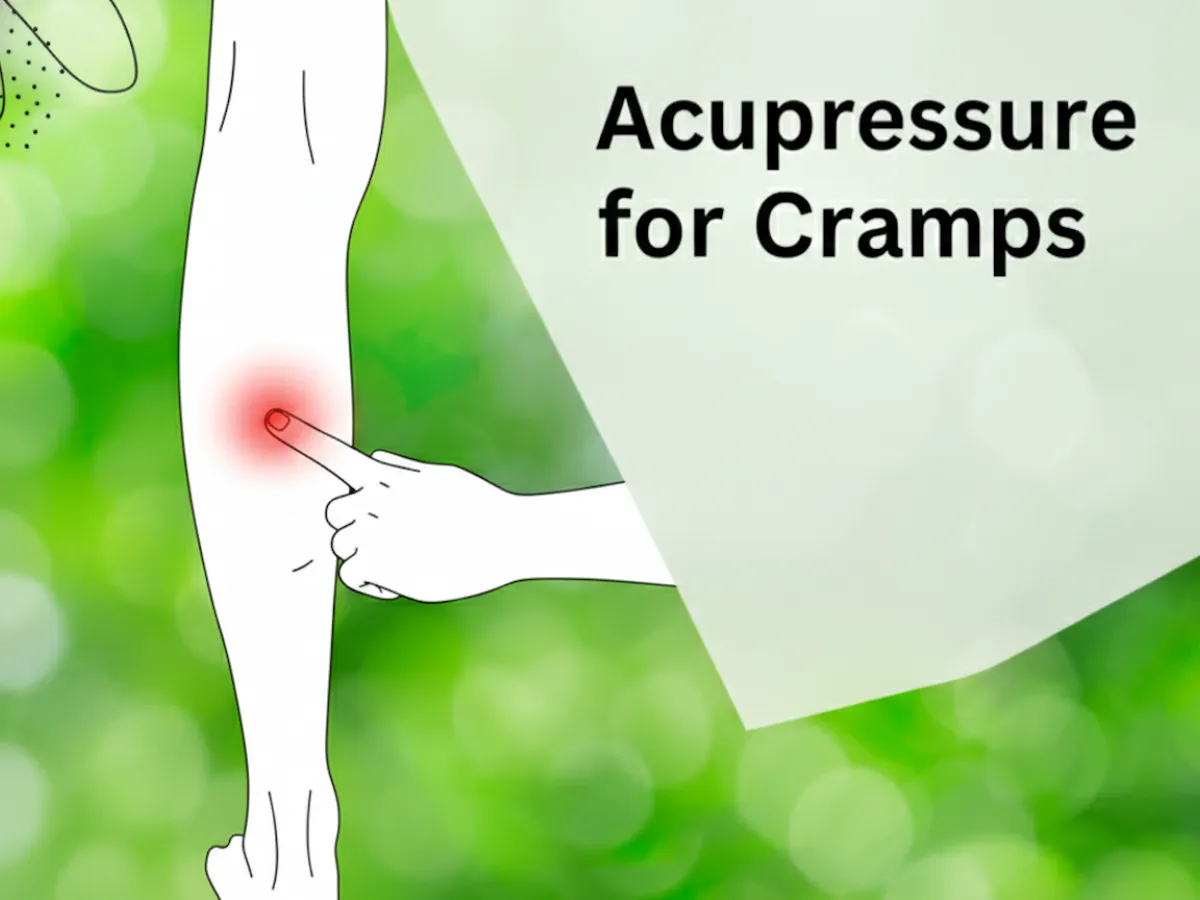
 fast cramps relief
ACUPRESSURE_FOR_CRAMPS
Acupressure for Cramps: Natural Pressure Points to Ease Pain Fast
Quick Relief for Menstrual, Muscle, and Digestive Cramps (SP6, GB34, CV6)
 Acupressure_Guide
Acupressure for Cramps: Natural Pressure Points to Ease Pain Fast
Cramps can strike at the worst times—whether they’re menstrual cramps, muscle spasms, or digestive discomfort. While stretching, hydration, or heat helps, many people also turn to acupressure for cramps as a natural and effective way to relax muscles, improve circulation, and reduce pain quickly.
In this guide, you’ll learn how acupressure works, the most effective pressure points for cramps across different types, and step-by-step instructions to get relief fast.
How Acupressure Helps with Cramps
Acupressure involves applying steady finger pressure to specific points on the body to:
Relax tight, spasming muscles.
Improve blood flow to the affected area.
Reduce inflammation.
Calm the nervous system.
Support hormonal and digestive balance.
This makes acupressure helpful for:
Menstrual cramps (dysmenorrhea).
Leg or calf cramps.
Abdominal and digestive cramps.
Back spasms.
General muscle tightness.
Best Acupressure Points for Menstrual Cramps
Menstrual cramps (dysmenorrhea) occur when the uterus contracts too strongly or when inflammation increases sensitivity. These acupressure points help relax the abdomen, improve blood flow, and reduce pain.
1. SP 6 — Sanyinjiao (Three Yin Intersection)
Location:
Inside of the lower leg, four finger-widths above the inner ankle bone.
Why It Helps:
One of the most effective points for menstrual cramps
Balances hormones
Relaxes the pelvic region
Reduces lower-abdominal pain
How to Apply Pressure:
Press firmly with your thumb for 60–90 seconds on each leg.
Location:
Two finger-widths below the navel, on the midline of the abdomen.
Why It Helps:
Relaxes the uterus
Reduces abdominal tightness
Supports circulation in the lower belly
How to Apply Pressure:
Apply gentle pressure while breathing deeply for 1–2 minutes.
3. LR 3 — Taichong (Great Surge)
Location:
Top of the foot, between the big toe and second toe.
Why It Helps:
Reduces stress-related tension
Helps regulate the menstrual cycle
Eases abdominal and back cramps
How to Apply Pressure:
Press firmly for 60 seconds on each foot.
Best Acupressure Points for Muscle Cramps
Muscle cramps often come from dehydration, overuse, or poor circulation. These pressure points help the muscles relax and restore proper energy flow for muscle cramp relief.
Location:
Below the knee on the outer leg, in a small depression between bones.
Why It Helps:
Relaxes tendons and ligaments
Eases leg, calf, and foot cramps
Improves flexibility
How to Apply Pressure:
Hold pressure for 30–60 seconds on each leg.
2. BL 57 — Chengshan (Supporting Mountain)
Location:
Midway down the calf, in the center of the muscle.
Why It Helps:
Powerful point for calf cramps
Loosens tight tendons
Helps relieve muscle spasms
How to Apply Pressure:
Press gently but firmly for 30–45 seconds.
Location:
Between the thumb and index finger.
Why It Helps:
Reduces general pain
Helps the body relax
Supports the release of tension and spasms
How to Apply Pressure:
Squeeze the point for 30–60 seconds on each hand.
Best Acupressure Points for Digestive Cramps
Digestive cramps may come from gas, indigestion, bloating, or stress. These points help regulate digestion and soothe the abdomen.
Location:
Two finger-widths to each side of the belly button.
Why It Helps:
Reduces bloating
Relieves gas and abdominal cramping
Supports healthy intestinal movement
How to Apply Pressure:
Use gentle pressure for 1 minute, avoiding deep or painful pressing.
Location:
Midway between the belly button and the bottom of the breastbone.
Why It Helps:
Calms the stomach
Reduces spasms and tightness
Helps with indigestion-related cramps
How to Apply Pressure:
Apply light pressure for 60–90 seconds.
How to Use Acupressure for Cramp Relief
1. Warm the area first
Use a heating pad or warm shower to relax the muscles.
2. Choose your points
Select the points based on the type of cramp you’re experiencing.
3. Apply steady, firm pressure
Hold for 30–90 seconds per point, without causing sharp pain.
4. Breathe slowly and deeply
This calms the nervous system and enhances the effect.
5. Repeat as needed
You can use acupressure 2–3 times per day during flare-ups.
When to Seek Medical Care
Acupressure is safe for most people, but you should get medical attention if:
Cramps are severe or sudden.
They come with fever or vomiting.
There is unusual bleeding.
Muscle spasms last more than a few days.
Pain gets worse instead of better.
Chronic cramps may indicate dehydration, nutrient deficiencies, hormonal imbalance, or other underlying issues.
Final Thoughts
Using acupressure for cramps is a gentle, natural, and effective way to ease discomfort—whether the cause is menstrual, muscular, or digestive. By stimulating specific pressure points, you can help your body relax, improve circulation, and reduce pain quickly.