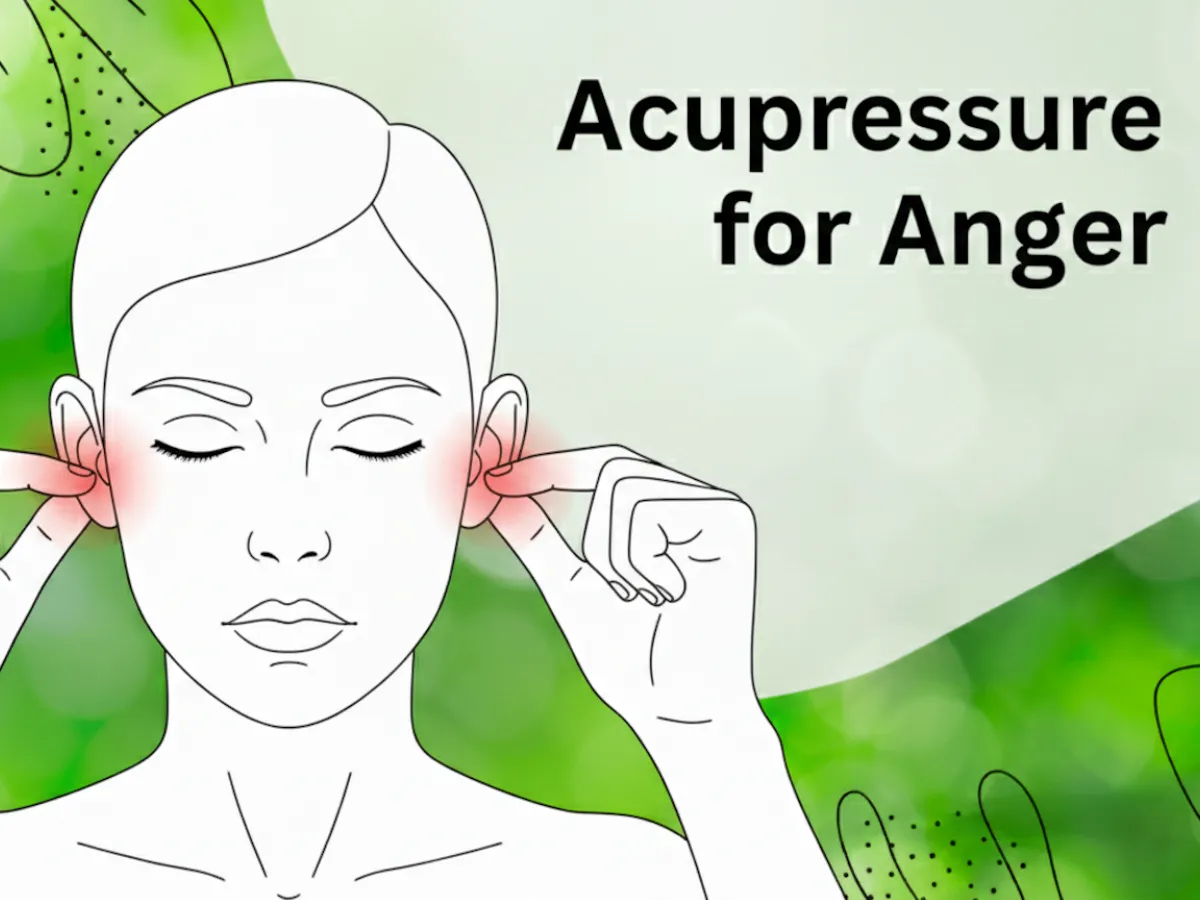
 Acupressure Controls Anger
ANGER_MANAGEMENT
Acupressure for Anger Management: Natural Points to Calm Emotions
Key Pressure Points (LR3, HT7) to Reduce Irritability and Restore Emotional Balance
 Acupressure_Guide
Acupressure for Anger Management: Natural Pressure Points to Calm the Mind and Restore Emotional Balance
Anger is a normal human emotion — but when it becomes overwhelming, frequent, or difficult to control, it can impact relationships, decision-making, and overall mental well-being. Beyond mindfulness and lifestyle strategies, many people are turning to acupressure for anger management as a gentle, effective way to calm the nervous system and release emotional tension.
Acupressure, rooted in Traditional Chinese Medicine (TCM), uses targeted pressure points to regulate energy flow, reduce stress, and bring the mind back into balance. In this guide, you’ll learn how acupressure works, the best points for anger relief, and simple step-by-step techniques you can use anytime.
What Is Acupressure?
Acupressure is a healing modality that applies steady pressure to specific points on the body. These points correspond to meridians — channels that influence emotional and physical wellness.
For anger management, acupressure helps:
Calm the mind
Reduce physical tension
Slow down the stress response
Relieve irritability
Improve emotional stability
Clear “heat” and stagnation (TCM concepts linked to anger)
How Acupressure Helps With Anger
While acupressure does not replace therapy or emotional skills training, it can support anger management by:
Lowering sympathetic nervous system activity: This reduces “fight-or-flight” responses that fuel anger.
Releasing jaw, chest, and neck tension: The body often holds tightness during emotional stress.
Supporting better breathing: Calmer breath equals calmer reactions.
Promoting emotional grounding: Several acupressure points help anchor the mind.
Clearing heat and stagnation: In TCM, anger is linked to “Liver heat” and blocked energy.
Best Acupressure Points for Anger Management
These points are known for calming irritability, reducing emotional intensity, and supporting mental clarity.
1. LR3 – Taichong (Great Rushing)
Location:
On the top of the foot, between the big toe and second toe.
Benefits:
Clears anger, frustration, and irritability
Regulates emotional flow
Releases built-up tension
How to Use:
Press firmly for 60–90 seconds on each foot.
2. Yintang – Third Eye Point (EXT2)
Location:
Between the eyebrows.
Benefits:
Calms the mind
Reduces emotional agitation
Helps restore clarity and focus
How to Use:
Apply gentle pressure for 1–2 minutes while breathing slowly.
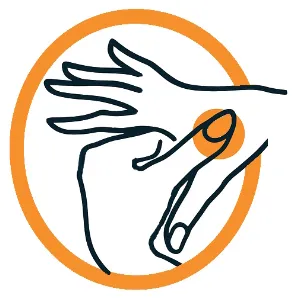
Location:
Webbing between thumb and index finger.
Benefits:
Releases full-body tension
Relieves irritability
Helps reduce emotional “heat”
How to Use:
Press and hold for 30–60 seconds per hand.
4. HT7 – Shenmen (Spirit Gate)
Location:
Wrist crease, under the pinky finger.
Benefits:
Eases mood swings
Calms emotional outbursts
Helps with stress-related insomnia
How to Use:
Apply light, steady pressure for 1 minute each side.
Location:
Inner forearm, three finger widths below the wrist.
Benefits:
Reduces chest tightness
Helps with anxiety-linked anger
Encourages emotional balance
How to Use:
Press for 1 minute per arm.
6. GV20 – Baihui (Hundred Meetings)
Location:
Top of the head, in line with the ears.
Benefits:
Clears mental stress
Lifts emotional heaviness
Promotes clarity and calm
How to Use:
Press gently for 60 seconds.
A Simple 3-Minute Acupressure Routine for Anger Relief
Use this quick routine whenever you feel tension rising:
1. Press Yintang (Third Eye) – 1 minute
Breathe slowly.
2. Press PC6 (Inner Pass) – 30 seconds each arm
Relaxes the chest and calms the mind.
3. Press LR3 (Great Rushing) – 1 minute each foot
Releases frustration and clears emotional heat.
This short sequence helps diffuse anger before it escalates.
Combine Acupressure With Daily Habits for Better Anger Control
Acupressure works even better when paired with:
Slow breathing or box breathing
Mindfulness or grounding techniques
Regular movement or stretching
Hydration (reduces heat and irritation)
Reduced caffeine or alcohol intake
Adequate sleep
Journaling or emotional check-ins
These habits create a foundation for emotional balance.
Important Note
Acupressure supports emotional wellness, but it is not a substitute for professional help when anger:
leads to relationship conflict
feels uncontrollable
results in aggressive or harmful behavior
causes physical symptoms (chest tightness, panic, dizziness)
A therapist, counselor, or mental health professional can provide personalized anger-management strategies.
Final Thoughts: A Calming, Natural Way to Ease Anger
Using acupressure for anger management offers a simple, soothing way to shift out of emotional overwhelm and into a grounded, calmer state. With consistent practice, these points can become a powerful part of your emotional wellness toolkit.