 Stress Relief With Acupressure
ACUPRESSURE_FOR_ANXIETY
Acupressure for Stress & Anxiety: Your Natural Guide to Calm and Emotional Balance
Discover Key Acupressure Points and Techniques for Holistic Stress Relief and Reducing Anxiety Naturally
 Acupressure_Guide
Acupressure for Stress and Anxiety Reduction: A Calm, Natural Way to Restore Balance
In today’s fast-paced world, stress and anxiety are more common than ever. Many people are turning to natural, non-invasive methods to calm the mind and ease tension—and acupressure is one of the most effective tools available.
Rooted in Traditional Chinese Medicine (TCM), acupressure therapy uses gentle touch to help the body relax, rebalance, and release emotional and physical stress.
In this guide, you’ll learn what acupressure is, how this holistic stress relief method helps reduce anxiety, key acupressure points for stress, and simple self-acupressure techniques to practice anytime you need a reset.
What Is Acupressure for Anxiety?
Acupressure is a therapeutic technique that involves applying steady, gentle pressure to specific points on the body known as acupoints or calming pressure points. These points lie along energy pathways (meridians) that affect physical and emotional well-being.
When these acupoints for anxiety are stimulated:
The nervous system calms, shifting the body from "fight-or-flight" to "rest-and-digest."
Muscle tension reduces, releasing physical stress.
Blood flow improves.
Stress hormones may decrease.
Emotional balance is supported.
Many people use acupressure as a complement to meditation, breathing exercises, yoga, and other relaxation techniques.
Why Acupressure Helps Reduce Stress and Anxiety
Acupressure helps regulate the body’s “fight-or-flight” response—often overactive when we’re stressed. By stimulating certain acupoints, the body can actively shift into a more relaxed state known as rest-and-digest, which is crucial for reducing anxiety naturally.
Key Acupressure Benefits for Stress Relief:
Reduces physical tension often caused by chronic stress (e.g., tight shoulders, jaw clenching).
Lowers anxiety levels by calming the central nervous system.
Improves sleep quality, which is vital for stress recovery.
Enhances emotional resilience and mental clarity.
Supports relaxation anywhere, anytime without equipment.
These benefits make acupressure a simple, accessible, and powerful practice for daily stress management.
Best Acupressure Points for Stress & Anxiety
Knowing the right calming pressure points is key to a successful practice. Use these specific acupressure points for stress and emotional balance:
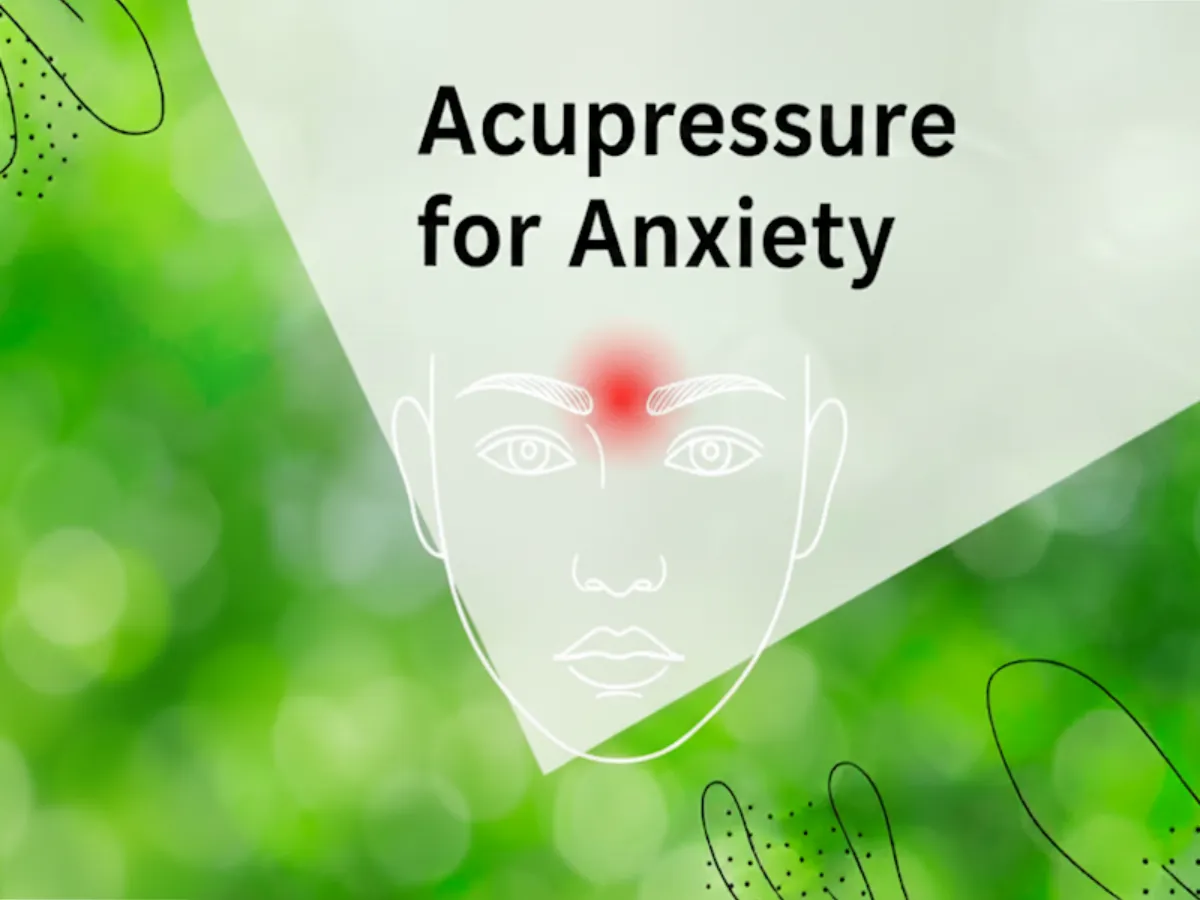
1. Yintang (EXT2) - Third Eye Point
Located between the eyebrows, this point is widely used for calming the mind, easing anxiety, reducing overthinking, and improving focus.
How it helps: Promotes deep relaxation and mental quiet, dissolves nervousness, irritability, and panic.
Found on the wrist crease near the pinky side.
How it helps: Known as the “Spirit Gate,” it’s one of the most effective points for emotional balance, anxiety relief, insomnia, and calming a racing mind.
Located three finger-widths below the wrist crease, between the two tendons.
How it helps: Reduces anxiety, relieves nausea from stress, and alleviates tightness in the chest.
4. Ear Shen Men
Located on the upper ear.
How it helps: A powerful point for emotional regulation, deep relaxation, and overall stress recovery.
Location: Center of the chest, between the nipples
How it helps: Relieves emotional stress, opens the chest for easier breathing, calms the nervous system.
6. LI4 (Hegu)
Location: Between the thumb and index finger
How it helps: Releases tension, helps with stress-related headaches, promotes overall relaxation.
How to Practice Self-Acupressure for Stress Relief
Mastering simple self-acupressure techniques ensures you can quickly achieve a state of calm.
Simple Step-by-Step Method:
Locate: Find the acupoint you want to stimulate using a diagram or guide.
Apply: Apply firm, steady pressure using your thumb or fingertip. Avoid pressing too hard—firm but comfortable is ideal.
Hold & Breathe: Hold for 30–60 seconds while breathing slowly and deeply (focus on long exhales).
Release & Repeat: Release gradually and switch to the other side if the point is bilateral (on both sides). Repeat 2–3 times.
Repeat 2–3 times.
Tips for Better Results
Breath: Use slow breathing while applying pressure.
Consistency is key: Practice daily, even when you aren't feeling highly stressed.
Mindfulness: Combine acupressure with mindfulness or meditation for deeper results.
Timing: Use acupressure especially before sleep to improve rest quality.
When to Use Acupressure for Stress & Anxiety
Acupressure is especially helpful during:
Overwhelming workdays
Before sleep
Panic or anxiety spikes
Emotional tension or irritability
Meditation sessions
Travel, exams, interviews, or social stress
It's a quick and reliable way to reset your nervous system.
Safety Considerations
Acupressure is generally safe, but avoid or modify it if:
You’re pregnant (certain points, like SP6 and LI4, should be avoided or used only under professional guidance).
You have open wounds, infections, or recent injuries at the pressure site.
Pressure creates sharp or worsening pain.
You have a severe mental health condition—use acupressure only as a complement to medical care
Always consult a healthcare provider if you’re under treatment for chronic anxiety or medical issues.
The Bottom Line
Acupressure is a gentle, natural, and effective way to lower stress and reduce anxiety. By stimulating specific calming pressure points, you gain a powerful, accessible tool to help your body relax, regulate your emotions, and restore inner balance—anytime and anywhere.
With consistent practice, acupressure becomes a cornerstone of a calmer mind and healthier emotional life.