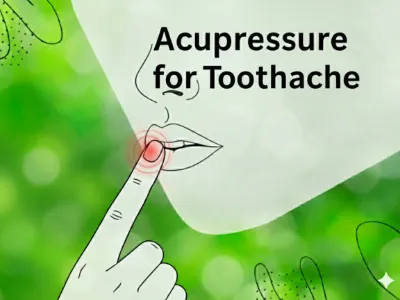
 Acupressure for Dental Pain
ACUPRESSURE_FOR_TOOTHACHE
Acupressure for Dental Pain: Fast, Natural Toothache Relief
Best Pressure Points (LI4, ST6) to Ease Jaw Tension and Gum Discomfort
 Acupressure_Guide
Acupressure for Dental Pain: Natural Relief for Toothaches, Jaw Tension & Gum Discomfort
Dental pain can strike at the worst moments—late at night, on weekends, or when you can’t get an appointment right away. While acupressure isn’t a substitute for proper dental care, it can be a powerful natural tool to help ease toothaches, jaw tension, gum sensitivity, and related headaches while you wait to see a dentist.
In this guide, you’ll learn how acupressure works for dental pain, the best pressure points, and how to use them safely for fast relief.
What Is Acupressure and How Can It Help Dental Pain?
Acupressure is a traditional healing technique that uses finger pressure on specific points along the body’s meridians. These points help regulate energy flow, relax muscles, improve circulation, and calm the nervous system.
For dental pain, acupressure offers benefits such as:
Reducing toothache intensity
Relaxing jaw and facial muscles
Relieving tension headaches from jaw clenching
Supporting circulation to the gums
Reducing stress that worsens pain perception
Acupressure provides non-invasive, drug-free relief that you can use anytime, anywhere.
When to Use Acupressure for Dental Pain
Acupressure is helpful for:
Sudden toothaches
Jaw tension (TMJ issues)
Sore gums
Pain after chewing
Headaches linked to dental stress
However, if you have signs of infection—swelling, fever, severe pain, or pus—contact a dentist immediately. Acupressure can help with comfort but cannot fix dental infections or structural problems.
Best Acupressure Points for Dental Pain Relief
Below are the most effective and well-known acupressure points for toothache and jaw discomfort.
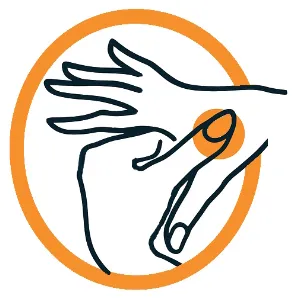
1. LI4 (Hegu) – Union Valley Point
Location: Between the thumb and index finger, in the fleshy “V” area
Benefits:
Relieves toothache pain
Reduces facial pain and headaches
Helps jaw tension and TMJ discomfort
How to press:
Apply firm, steady pressure for 30–60 seconds each hand.
Note: Avoid using LI4 during pregnancy.
Location: On the jaw muscle, one finger-width below the cheekbone and in front of the ear
Benefits:
Relieves jaw tightness
Reduces TMJ tension
Helps with grinding and clenching pain
How to press:
Clench your teeth to feel the muscle, then press gently for 30 seconds.
Location: In the hollow between the cheekbone and the upper jaw joint, in front of the ear
Benefits:
Helpful for upper and lower tooth pain
Eases ear-related tension
Supports sinus pressure
How to press:
Use gentle circular pressure for 30–45 seconds.
Location: Directly below the outer corner of the eye, on the cheekbone
Benefits:
Relieves upper jaw toothache
Helps sinus-related facial pain
How to press:
Apply light pressure (this area is sensitive).
Location: In the groove between the nose and upper lip
Benefits:
Reduces acute toothache
Helps calm shock or panic from sudden pain
How to press:
Press firmly for 20–30 seconds.
Location: On either side of the nose, next to the nostrils
Benefits:
Helps sinus-related dental pain
Reduces facial swelling
How to press:
Use gentle circular pressure, 20–30 seconds each side.
Step-by-Step: How to Use Acupressure for Dental Pain
Sit comfortably and relax your shoulders.
Start with LI4 on both hands to reduce overall pain.
Move to ST6 and ST7 to release jaw tension.
Apply pressure to SI18 for facial and upper dental pain.
Finish with GV26 or LI20 for calming and sinus support.
Repeat the sequence every 2–4 hours as needed.
Apply consistent, steady pressure—not poking or hard jabs.
Helpful Tips for Better Relief
Add warm compresses to relax jaw muscles.
Avoid chewing on the painful side.
Reduce sugar and acidic foods until you see a dentist.
Practice slow breathing while pressing acupressure points.
Stay hydrated—dry mouth can worsen discomfort.
When to See a Dentist (Acupressure Is Not Enough)
Seek professional care if you experience:
Swelling in the face or gums
Fever
Severe or throbbing pain
Pain that lasts more than 24–48 hours
A broken tooth
Signs of abscess (pus, foul taste, pressure pain)
Acupressure can support comfort, but dental infections require treatment.
Final Thoughts: Acupressure as a Natural Companion for Dental Pain
Acupressure is a simple, effective, and natural way to ease toothaches and jaw discomfort while waiting for professional care. By activating specific points like LI4, ST6,
ST7, SI18, and GV26, you can reduce dental pain, calm facial muscles, and improve circulation.
It’s not a replacement for dentistry—but it is a valuable tool for comfort, relief, and stress reduction.